Rufus AI Shopping Assistant Performance: The Real Numbers Behind Amazon's Alexa Merger
Rufus AI shopping assistant performance is the clearest proof yet that conversational shopping works at scale — and as of May 2026, Rufus itself doesn't carry that name anymore. Amazon folded it into a single unified experience, Alexa for Shopping, making conversation the default across its entire store rather than a feature shoppers had to opt into. For anyone running a small or independent store, the real question isn't what Rufus does inside Amazon. It's what its performance numbers prove about shopper behavior everywhere else — and why that technology has, until recently, been out of reach for everyone but the largest retailers.
What Rufus Actually Is (and What It Became)
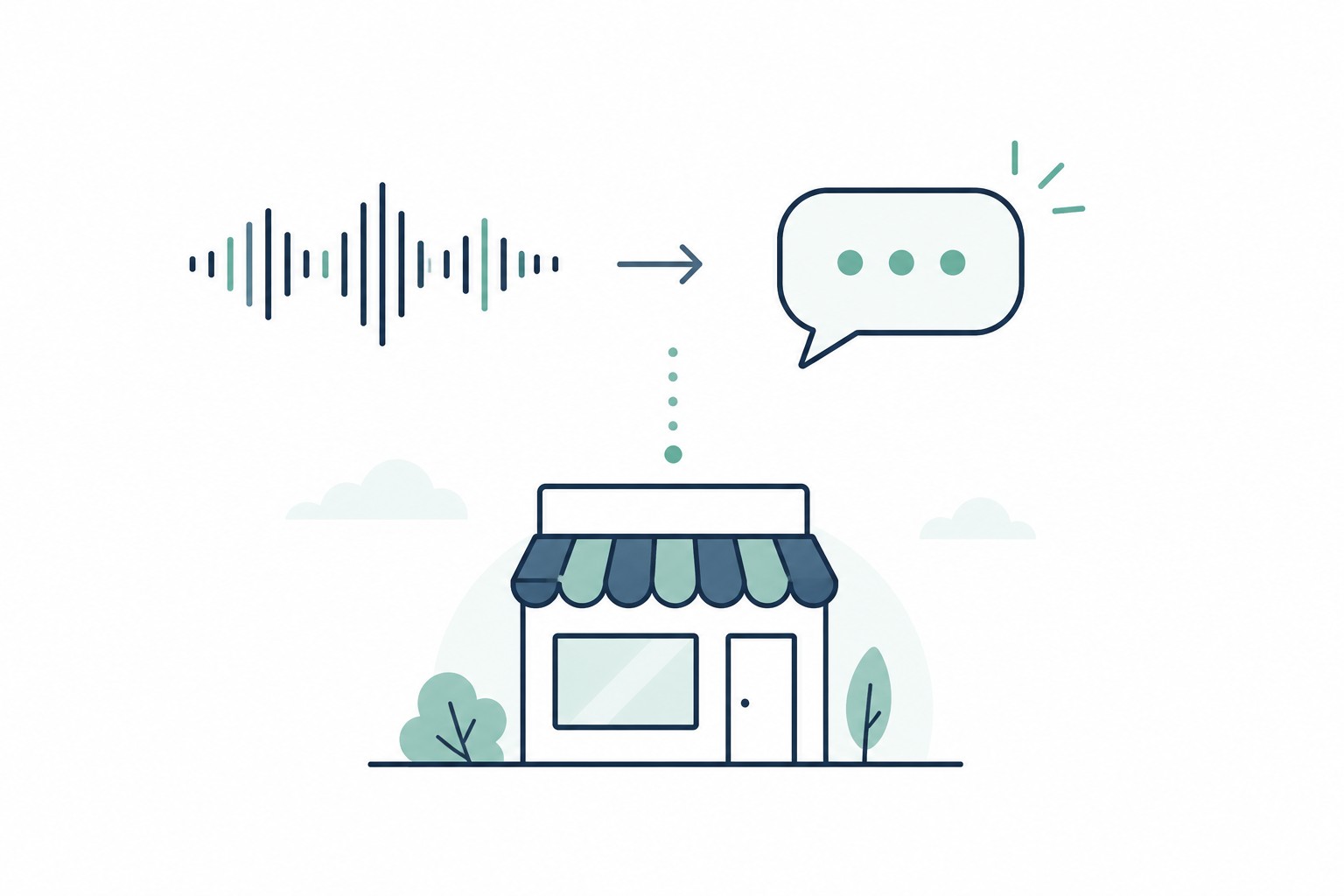
Rufus launched in 2024 as Amazon's generative AI shopping assistant — a chat interface built into the Amazon Shopping app and website that could answer product questions, compare options, and generate personalized recommendations based on a shopper's activity. Shoppers could type natural-language questions or tap a microphone and speak directly to it.
In May 2026, Amazon merged Rufus with Alexa+ to create Alexa for Shopping, available across the Amazon app, Amazon.com, and Echo Show devices, with no Prime membership or device required. The standalone Rufus chatbot was discontinued, but its recommendation engine and shopping history now feed directly into Alexa for Shopping. Functionally, nothing shoppers relied on disappeared — it was absorbed into something bigger, with account memory that follows a shopper across devices and conversations.
Rufus AI Shopping Assistant Performance: The Numbers That Made Amazon Bet Its Entire Shopping Experience on This
The scale is what makes Rufus's performance worth paying attention to, even if you'll never use it yourself:
Over 300 million customers used Rufus in 2025 alone.
Active users grew 115% year over year, with engagement up 400% over the same period.
Amazon reports that shoppers who use the assistant during a session are over 60% more likely to complete a purchase on that visit.
Alexa for Shopping added agentic features on top — Auto-Buy (purchasing automatically once an item hits a target price), Scheduled Actions (adding items to cart or surfacing recommendations for review), and Custom Guide, a multi-step research workflow that builds structured buying guides inside a single conversation.
This isn't a pilot program or an experimental feature buried in a settings menu. It's the primary interface Amazon now wants shoppers using across its entire store — a signal that the largest retailer in the world has concluded that conversation, not just search and filters, is where online shopping is heading.
The Catch: None of This Was Ever Available to a Small Store
Rufus, and now Alexa for Shopping, only exists inside Amazon's own marketplace. It was built on Amazon's infrastructure, trained on Amazon's own catalog and review data, and reports what it learns back to Amazon — not to the individual sellers whose products it recommends. A merchant selling on Shopify, or running an independent brand outside Amazon entirely, has had no equivalent. The proof that shoppers respond to this kind of experience existed at a scale nobody could ignore — but the tool itself stayed locked inside one company's platform.
That gap is exactly what tools built specifically for independent merchants exist to close.
What SellerTwin Brings to Stores That Aren't Amazon
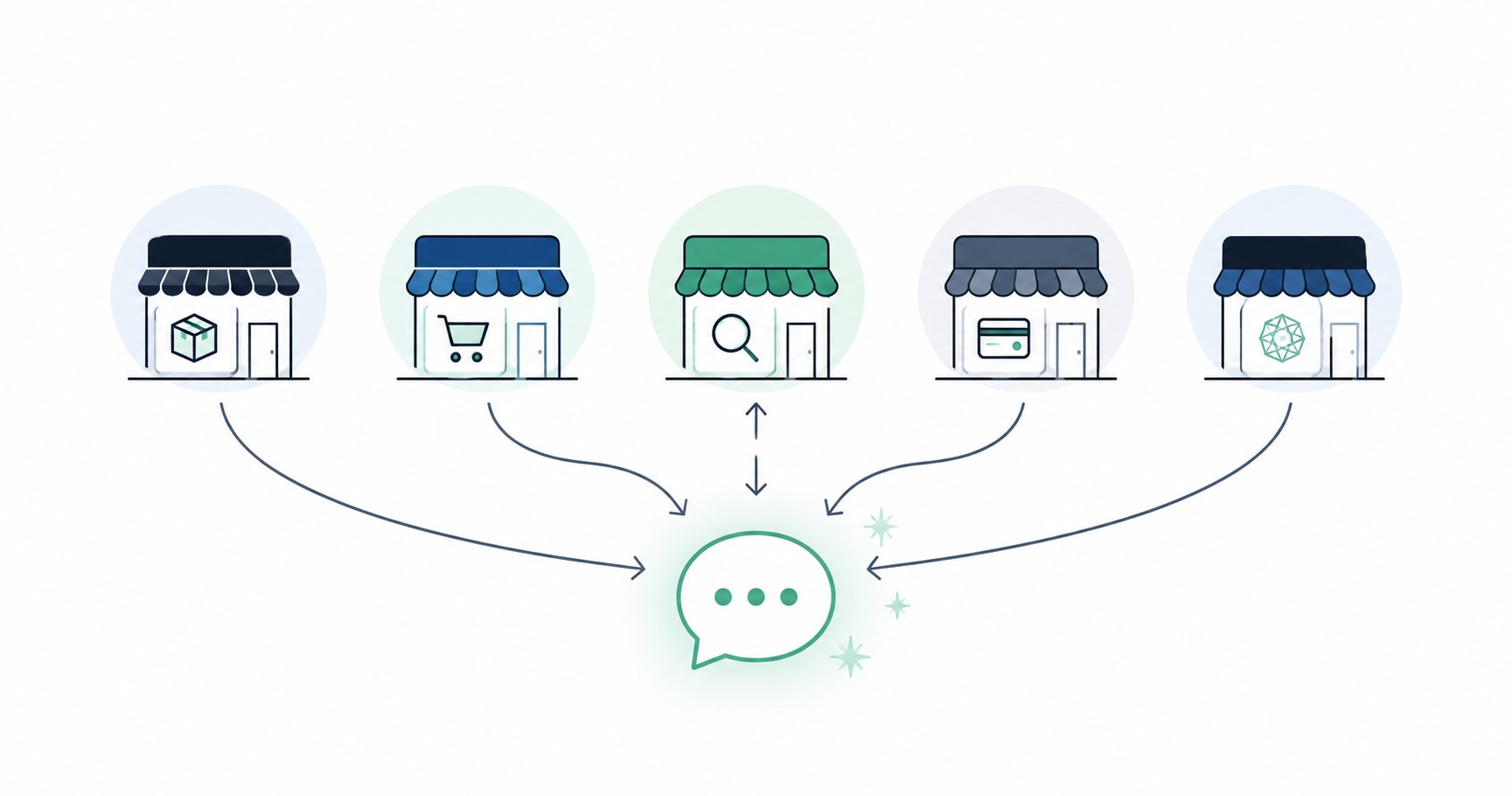
SellerTwin takes the same underlying idea — a real AI seller inside the shopping experience — and makes it available to any store, with a few things Rufus was never built to offer a merchant directly:
It's built for your store, not a marketplace. SellerTwin connects to your own catalog and lives on your own product pages, not inside a third-party app competing for the same shopper's attention.
It ends silent commerce. Most independent stores have no equivalent of Rufus's conversation data — a visitor leaves, and nothing about why gets recorded. SellerTwin puts a live conversation back on every page, capturing the hesitation before it turns into a lost sale.
It separates discovery from rescue. An undecided shopper gets guided through your catalog; a shopper already hesitating on a specific product gets the answer that resolves the doubt. SellerTwin tracks these as two distinct conversion paths, so you can see which one your store depends on most.
It reports back to you, the merchant. This is the clearest gap Rufus leaves for independent sellers: its insights stay inside Amazon. SellerTwin's Coach Mode reads every conversation and surfaces the objections and confusions that keep coming up, so you fix the actual leak instead of guessing from a bounce rate.
It talks, not just types. Rufus supports voice inside Amazon's app. Most tools built for independent stores don't. SellerTwin does — voice conversation remains one of the most requested features in this category, and one of the rarest outside a handful of tools.
See how it works on your store →
The technology behind Rufus just proved itself at Amazon's scale. Your store doesn't need Amazon's scale to use the same idea. Create your AI seller free →