For the past few years, "conversational commerce" has meant one thing: a chat widget in the corner of a screen. You type, it types back. That's been the default because typing was the only interface available.
Voice commerce is the next step in that same idea — a shopper simply talks, the way they would to a salesperson on the floor, instead of typing a question and waiting for a reply.
What Voice Commerce Actually Means
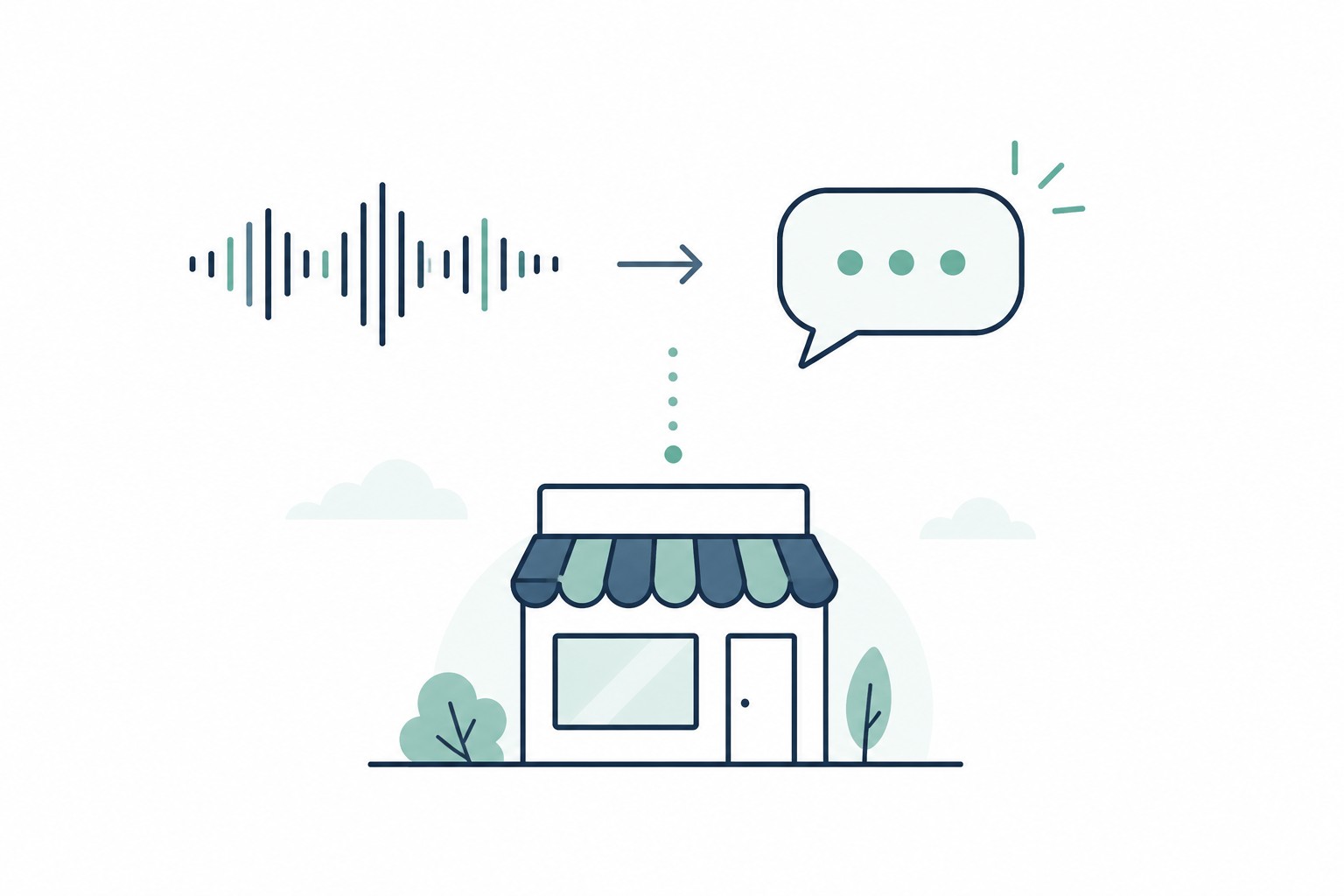
Voice commerce is any shopping experience where a customer speaks instead of types or clicks. That covers a wide range — asking a smart speaker to reorder detergent, using a voice assistant embedded in an app, or having a full back-and-forth conversation with an AI salesperson on a store's website.
The common thread is friction removal. Typing requires stopping, thinking about phrasing, and reading a response. Talking is closer to how people already ask questions in real life — faster, more natural, and available even when someone's hands are busy or they're on a phone screen too small to type comfortably.
Why It's Different from Text Chat
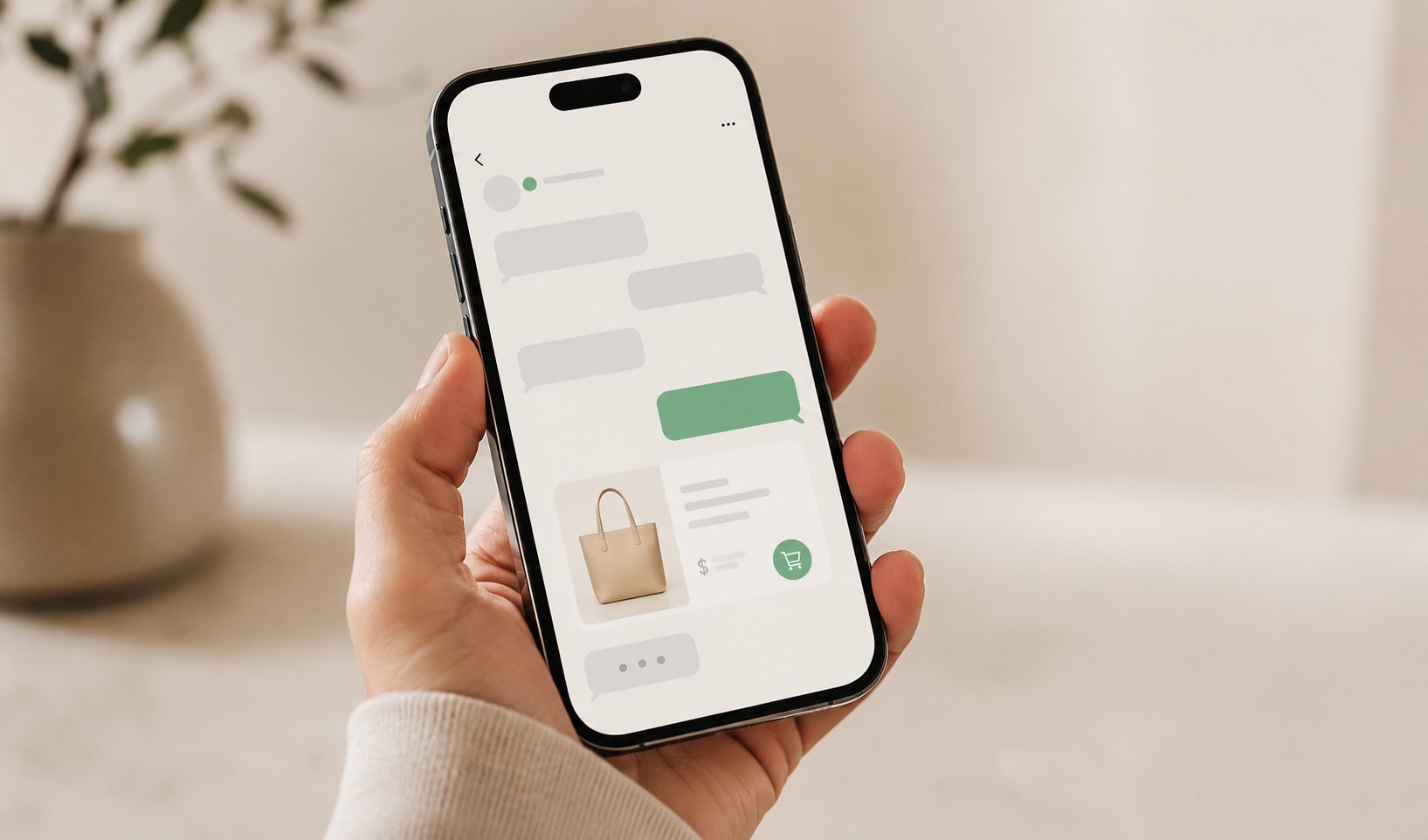
Text chat assistants solved part of the problem: they let a store answer questions without a human on standby. But they kept the core friction of e-commerce — the shopper still has to compose a message, read a response, and type again.
Voice removes that step entirely. A shopper can ask "does this run small?" out loud and hear an answer in the time it would take to type the first three words. On mobile especially, where typing is slower and more error-prone, that difference compounds — voice interactions tend to feel less like using software and more like being helped.
Voice also carries information text can't: tone, hesitation, urgency. An AI assistant that hears a shopper sound unsure about a purchase can respond differently than one that only sees typed words on a screen.
Why the Category Is Moving Now
The technology finally caught up. Real-time voice AI that sounds natural, understands context, and responds without noticeable lag has only become viable in the last couple of years. Before that, voice interfaces felt robotic enough that shoppers avoided them.
At the same time, the biggest platforms in commerce are validating the shift. Amazon folded Rufus into Alexa to create a single voice-first shopping experience across devices — see what that merger signals for the category. When the largest e-commerce company in the world bets on voice as the default interface, it's a strong signal for where the rest of the market is headed.
The Gap for Independent Stores
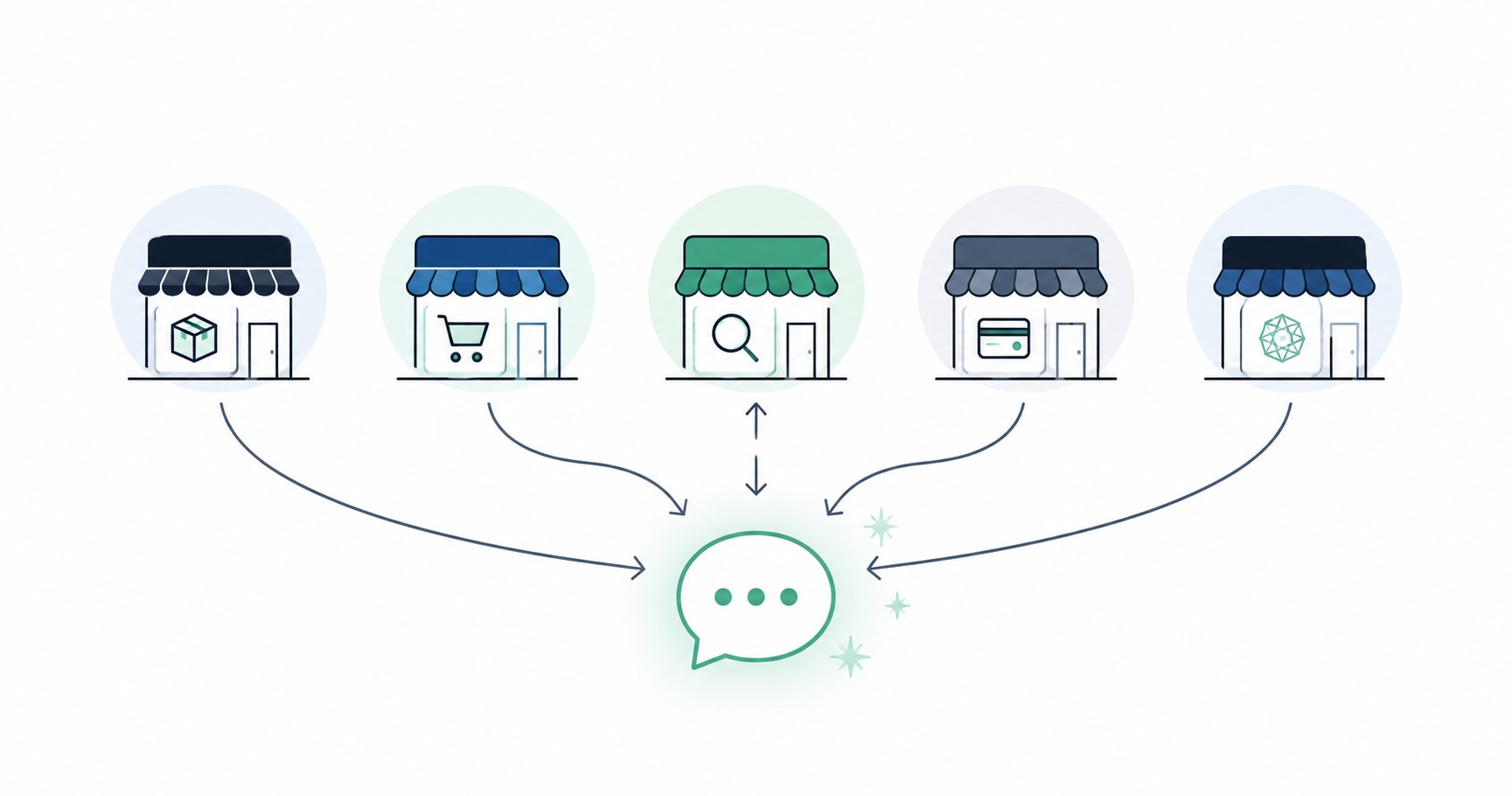
Despite the shift at the top, most AI shopping assistants built for independent stores are still text-only. Voice requires more sophisticated infrastructure — real-time audio processing, natural-sounding speech, low latency — which has kept it out of reach for most tools serving small and mid-sized merchants.
That's the gap SellerTwin is built to close. Instead of a text widget bolted onto a storefront, it gives independent stores a voice-and-text AI salesperson — the same kind of experience Amazon is building for itself, available to any Shopify or independent store without the infrastructure Amazon has spent years building.
For sellers who don't have a website at all — creators, Instagram or WhatsApp-based shops — SellerTwin also works as a standalone voice store: a single link the customer opens to talk directly to an AI salesperson about the products, no storefront required behind it.
What This Means for Shoppers and Merchants
For shoppers, it means the option to just ask instead of typing — closer to walking into a store and talking to someone than filling out a search box.
For merchants, it means an additional way to capture the hesitation that normally goes unheard. A visitor who wouldn't bother typing a question might still say it out loud if given the chance — and that's a conversation, and a potential sale, a text-only store would otherwise miss.
Voice commerce isn't replacing text chat — it's adding the option shoppers have always had in physical stores: the ability to just ask.